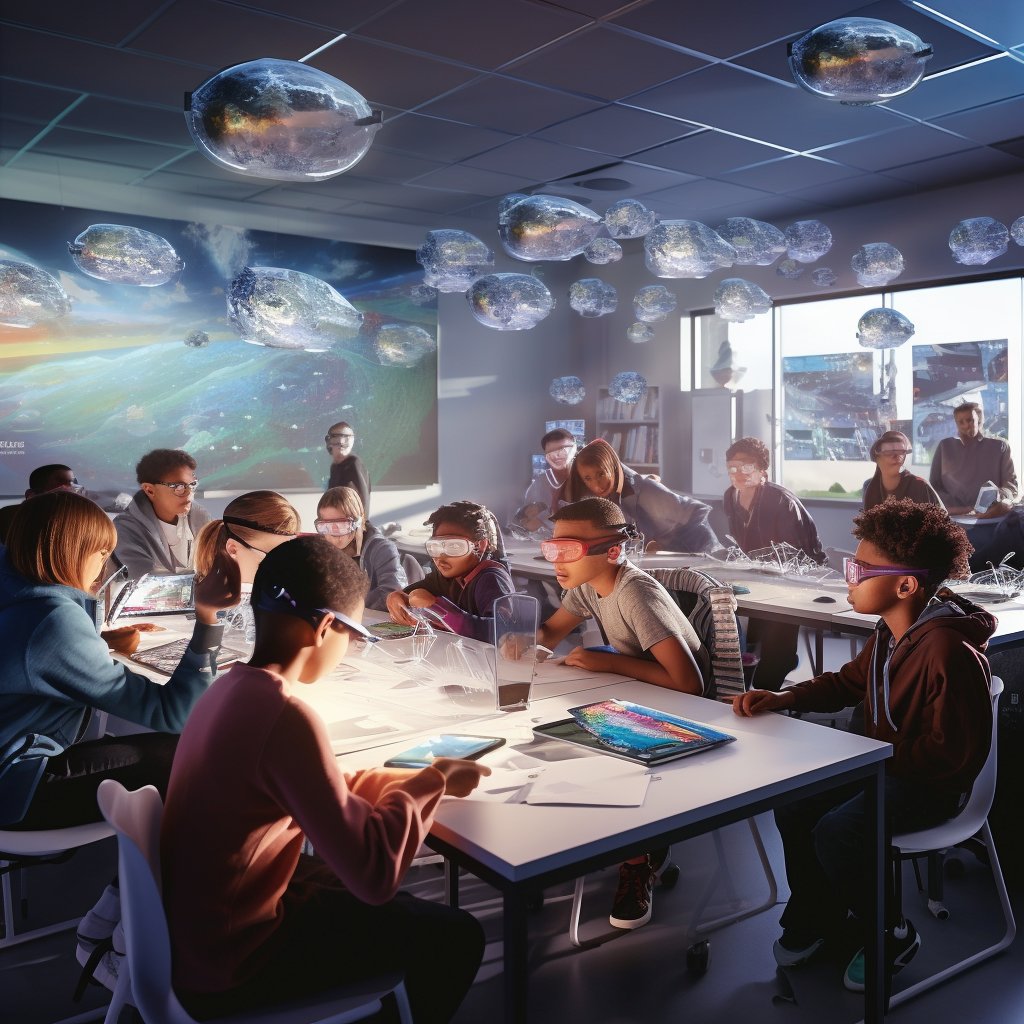
The concept of a uniform educational approach has long been the standard in traditional learning environments. The idyllic image of a classroom where every student learns in the same way, at the same pace, is ingrained in our collective consciousness. However, this notion ignores the rich tapestry of human diversity. The myth of the average student suggests that educational content and pacing should cater to an imaginary middle ground, leaving those who fall outside this narrow band struggling to keep up or unchallenged and disengaged.
Differences in learning styles, cognitive abilities, and interests mean that the one-size-fits-all approach is outdated. Some students are visual learners, while others process information better through auditory means or hands-on activities. Some have a knack for mathematics and logic, whereas others shine in verbal communication and creative arts. The intricacies of how we learn vary tremendously, necessitating an educational model that can accommodate this diversity.
The dawn of personalized education
With the advent of technology, personalized education is becoming more than just a lofty ideal; it’s becoming a practical reality. Educational technology (EdTech) has opened doors to tailor the learning experience to individual needs. From adaptive learning algorithms that adjust content difficulty based on performance to platforms that allow students to explore subjects at their own pace, tech is revolutionizing how we learn.
Customization in education through technology is not just about slapping on some fancy digital tool; it’s about rethinking the learning process. It’s about creating a system that identifies each student’s strengths, weaknesses, interests, and learning styles and then adapting the educational content accordingly. This level of customization ensures that each learner is engaged, challenged, and supported throughout their educational journey.
Success stories that inspire
There’s no shortage of anecdotal evidence pointing to the successes of personalized learning. Take, for example, a student who was once disengaged and struggling in a traditional classroom setting. With the introduction of personalized learning tools, this student could delve into subjects at a comfortable pace and in a style that resonated with them. The result? Improved grades, heightened interest in learning, and a newfound sense of confidence.
Personal victories in the classroom are becoming more common as educators and institutions adopt a more tailored approach to teaching. Students who previously felt alienated by the one-size-fits-all model are now thriving as their educational experiences become more aligned with their personal learning needs.
How to hop on the personalized learning train
For those looking to embrace personalized education, there is a plethora of tools and apps available. These digital resources range from comprehensive learning management systems to subject-specific apps that provide customized practice and feedback. But it’s not just about technology; creating a personalized learning plan also involves rethinking curriculum design, assessment methods, and even classroom structure.
The key to successful customization in education is understanding that it’s not a static process—it requires continuous adjustment and refinement. As students grow and their learning needs evolve, so too must their learning plans. This dynamic approach ensures that education remains relevant and effective throughout a student’s academic journey.
Challenges and how to overcome them
Despite its many benefits, personalized learning does face challenges. Resistance from traditionalists who are skeptical of new methods can be a significant obstacle. Additionally, there’s the issue of ensuring equal access to personalized learning tools and resources for all students, regardless of socio-economic status.
To navigate resistance, it’s crucial to demonstrate the efficacy of personalized learning through research and case studies that showcase its positive impact on student outcomes. As for ensuring equal access, this requires concerted efforts from policymakers, educators, and technology developers to make personalized tools widely available and affordable.
What the future holds
The future of education looks bright with the continued integration of personalized learning strategies. Predictions for how education will transform typically center around increased adoption of EdTech, further customization of learning experiences, and greater focus on competencies over traditional grading systems.
As we look ahead, it’s essential to recognize that while technology plays a pivotal role in enabling personalized education, the human element remains irreplaceable. Teachers will continue to be at the heart of the learning process, guiding students through their customized educational journeys with empathy and expertise.